Dental Implants vs. Bridges: Which Option Is Right for Your Smile?
October 1, 2026A missing tooth can seem like a small gap until eating feels different, certain words become harder to pronounce, or nearby teeth begin moving. Then comes another decision: implant or bridge?
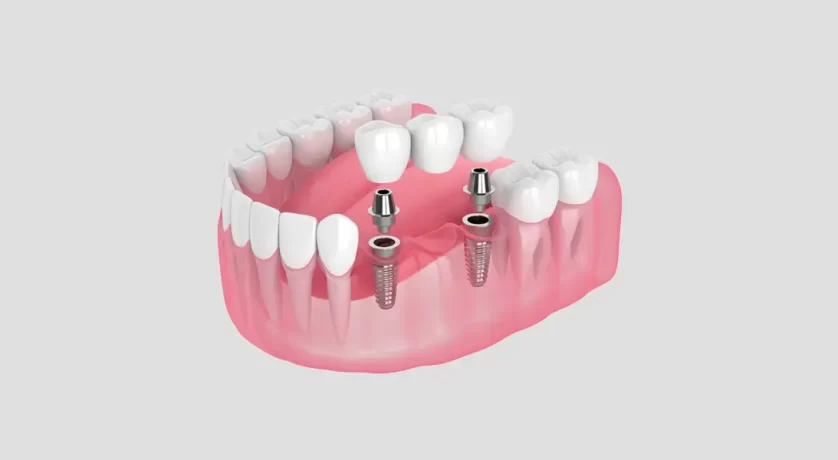
For people comparing dental implants in Broomfield, CO, with a fixed bridge, there is no universal winner. An implant replaces the missing root and can support a crown, while a traditional bridge spans the space using neighboring teeth. Your bone health, surrounding teeth, treatment timeline, budget, and long-term priorities all matter.
Importantly, this practice provides implant restoration care rather than implant-placement surgery, so recommendations involving an existing or previously placed implant focus on its restoration, function, fit, and maintenance.
Why Replacing Missing Teeth Is Important
Replacing a lost tooth is about more than closing a visible space. The American Dental Association reports that leaving a space from a missing tooth may affect chewing and speech, alter the position of neighboring teeth, and contribute to bone changes in that area.
Appropriate tooth replacement options may help:
- Restore chewing function and bite balance.
- Support clearer, more comfortable speech.
- Reduce unwanted movement of neighboring teeth.
- Restore the appearance of the smile.
- Support long-term oral function.
The right missing-teeth solutions depend on what is happening throughout your mouth, not simply on how the gap looks.
What Are Dental Implants?
A dental implant is an artificial tooth-root replacement placed surgically into the jawbone. After the implant becomes stable within the bone, it can support an implant-supported crown or another restoration.
Because the implant replaces the root structure, chewing forces are transferred into the jawbone. This is one reason implants may support jawbone preservation around the missing-tooth site.
If you are searching for “dental implants near me”, remember that implant placement and implant restoration are separate stages of care. The client website specifically describes evaluation, repair, replacement, adjustment, and completion of implant-supported restorations after implant placement.
What Is a Dental Bridge?
A fixed dental bridge fills the space left by one or more missing teeth. Traditional bridges are typically secured to prepared teeth on either side of the gap.
For patients considering dental bridges in Broomfield, CO, the practice evaluates supporting teeth, gum health, bite alignment, and surrounding structures before recommending treatment. Digital imaging and iTero scanning may also be used during evaluation and planning.
Unlike a removable appliance, a fixed bridge stays in place during everyday eating and speaking.
Dental Implants vs. Bridges: Key Differences
Understanding the dental bridge vs. implant decision becomes easier when you consider how each restoration interacts with your mouth.
Longevity and Maintenance
Both treatments require consistent home care and professional monitoring. Implants are intended as long-term tooth replacements, although their crowns or other attached restorations can wear, loosen, or need replacement over time. Bridge longevity also varies according to oral hygiene, supporting teeth, bite forces, and routine maintenance.
Jawbone Health
An implant replaces the missing root and transfers functional forces into the surrounding bone. A traditional bridge restores the visible portion of the missing tooth but does not replace the root.
Effect on Neighboring Teeth
A single implant is independently supported and generally does not require adjacent healthy teeth to hold the crown. A traditional bridge commonly requires preparation of neighboring teeth to support the restoration.
Appearance and Stability
Both approaches can be designed to restore a natural-looking smile. Implants gain stability from their connection with the jawbone, while conventional bridges depend on their supporting teeth.
Benefits of Dental Implants
For an appropriate candidate, an implant-supported restoration can offer several practical advantages:
- Independent replacement of a missing tooth.
- Stable support during chewing.
- No need to use adjacent healthy teeth as conventional bridge anchors.
- Root replacement that provides stimulation to surrounding bone.
- A restoration customized for function and appearance.
Remember, implant surgery requires separate surgical care. The local service discussed here is the restorative phase involving implants that have already been placed.
Benefits of Dental Bridges
A bridge can also be a valuable restorative dental treatment, particularly when a fixed, non-removable replacement is preferred.
Bridges can restore one or more missing teeth without requiring an implant at the site of each missing tooth. Treatment generally avoids the healing period associated with surgical implant placement, although the exact timeline varies.
For someone searching for “dental bridges near me”, the condition of the supporting teeth deserves particular attention. A bridge’s long-term performance depends partly on the health of those teeth and the surrounding gums.
Factors to Consider Before Choosing
There is no responsible way to choose solely from an online comparison. A dentist needs to evaluate the clinical picture first.
Important considerations include:
- How many teeth are missing and where they are located.
- Bone and gum health around the gap.
- Strength and condition of neighboring teeth.
- Bite forces and overall oral health.
- Desired treatment timeline.
- Upfront costs and expected maintenance.
- Personal preferences and long-term goals.
A single-tooth replacement, for example, may involve different considerations than replacing several adjacent teeth.
How to Care for Implants and Bridges
Daily maintenance protects both restorations and the surrounding tissues.
Use fluoride toothpaste when brushing twice daily, and make interdental cleaning part of your everyday routine. A bridge requires careful cleaning beneath the replacement tooth and around its supporting teeth. Your dental team may recommend floss threaders, interdental brushes, or another technique suited to the restoration.
Avoid chewing ice and other very hard objects that can damage restorations. Keep regular dental exams and professional cleanings so changes in the bite, supporting teeth, gums, or restoration can be identified.
Why a Personalized Consultation Matters
Good Broomfield restorative dentistry begins with diagnosis rather than assumptions. An examination can assess the gap, gums, remaining teeth, bite, and existing implant components before treatment is discussed.
The client’s website verifies the use of digital imaging and iTero scanning when evaluating bridge support and implant restorations. These tools can provide additional information about positioning, fit, surrounding structures, and bite relationships.
That information helps the dental team explain realistic choices rather than labeling one treatment “best” for everyone.
Making the Right Choice for Your Smile
Both bridges and implant-supported restorations can provide effective tooth replacement when selected for the right clinical situation. The important question is not which treatment wins a general comparison, but which approach fits your mouth, health, maintenance needs, and goals.
When you’re ready to explore tooth replacement options, Broomfield Smiles can provide an oral evaluation and explain suitable restorative care based on the findings. For existing dental implants, the practice can assess the implant-supported restoration and surrounding tissues and discuss restoration needs rather than surgical implant placement.
Frequently Asked Questions
An implant replaces a missing root and supports a restoration. A traditional bridge fills the space by relying on neighboring teeth for support. Both can restore function, but their treatment requirements differ.
Implants are designed for long-term support, but no restoration should be considered permanent or guaranteed. Implant crowns and bridges may require repair or replacement due to wear, biting forces, oral hygiene, or changes in surrounding tissues.
Comfort varies by person, bite, restoration design, and oral health. A properly planned implant restoration or bridge should support comfortable function, but individual outcomes cannot be predicted without an examination.
Neither is automatically better. Bone health, adjacent teeth, gum condition, medical considerations, treatment time, and personal priorities should guide the decision.
Brush twice daily, clean carefully between and around the restoration, and attend routine dental visits. Bridges usually need additional cleaning beneath the replacement tooth, while implant restorations require ongoing monitoring of the crown, implant components, gums, and bite.
Medical References
- American Dental Association, MouthHealthy: Missing Teeth. The ADA identifies bridges and implants among replacement options and notes that missing teeth can affect chewing, speech, tooth position, and surrounding bone.
- Client clinical reference: Dental Implant Restorations in Broomfield, CO. Used to verify implant-restoration scope, digital imaging, iTero scanning, and restoration evaluation.
- Client clinical reference: Dental Bridges in Broomfield, CO. Used to verify bridge treatment, evaluation factors, and digital planning information.