Why Routine Oral Cancer Screenings Matter
Some oral tissue changes may develop slowly and cause little discomfort in the early stages. Tobacco use, alcohol consumption, HPV infection, prolonged sun exposure, and age can all increase oral cancer risk for certain individuals. Persistent sores, unexplained numbness, or difficulty swallowing often lead people to explore oral cancer screenings near me. Earlier evaluation may help identify suspicious tissue changes before they become more difficult to manage.
What Happens During an Oral Cancer Screening
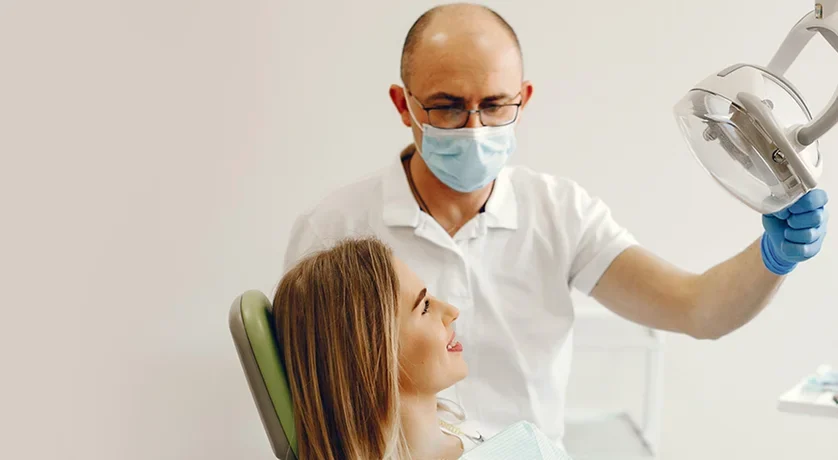
An oral cancer screening typically includes a visual and tactile examination involving the tongue, cheeks, gums, roof of the mouth, throat, and surrounding soft tissues. Areas showing discoloration, swelling, irritation, or unusual texture may require closer monitoring or additional diagnostic testing. Digital imaging may also help document suspicious tissue changes more clearly when ongoing observation becomes necessary. Patients from Westminster, Erie, and Arvada often visit our office for preventive dental evaluations and oral health screenings when persistent sores, irritation, or tissue changes do not improve as expected.
Monitoring Changes in Oral Tissue Health
Changes involving the soft tissues of the mouth are not always painful during the early stages. Some individuals notice recurring sores, irritation beneath dentures, numbness, or discomfort while speaking or chewing before scheduling an evaluation. Our office also provides comprehensive dental services under one roof, making it easier for patients to coordinate preventive and restorative dental care in one location. Many people appreciate a more family-oriented office environment when discussing symptoms that may feel unfamiliar or concerning during routine oral health visits.
When Persistent Symptoms Should Be Evaluated
Mouth sores lasting longer than two weeks, unexplained bleeding, chronic irritation, or difficulty moving the tongue or jaw should not be ignored. In some situations, symptoms may develop gradually and become easier to overlook until they begin interfering with speaking, eating, or swallowing comfortably. Individuals experiencing ongoing oral discomfort sometimes begin searching for a trusted walk-in dentist near me when symptoms become difficult to monitor at home. Routine screenings may help encourage earlier evaluation of abnormal tissue changes and support long-term oral health monitoring.
Frequently Asked Questions
An oral cancer screening typically includes examining the tongue, gums, cheeks, throat, lips, and surrounding soft tissues for unusual lesions, discoloration, swelling, or texture changes.
Adults with a tobacco or alcohol use history, HPV exposure, prolonged sun exposure, or persistent oral symptoms may benefit from regular screenings.
No. Oral cancer screenings are generally quick, non-invasive evaluations completed during routine dental visits.
A dental professional should evaluate sores, irritation, or unusual patches lasting longer than two weeks.
Oral Cancer Screenings Focused on Early Detection and Prevention
At Broomfield Smiles, our team provides oral cancer screenings designed to evaluate abnormal tissue changes and support preventive oral health monitoring. Contact our dental office in Broomfield, CO, today to schedule a comprehensive evaluation for persistent sores, swelling, irritation, or other concerning oral symptoms.


