Creating Confident Smiles: How Family Dentistry Eases Dental Anxiety for Every Age
September 1, 2026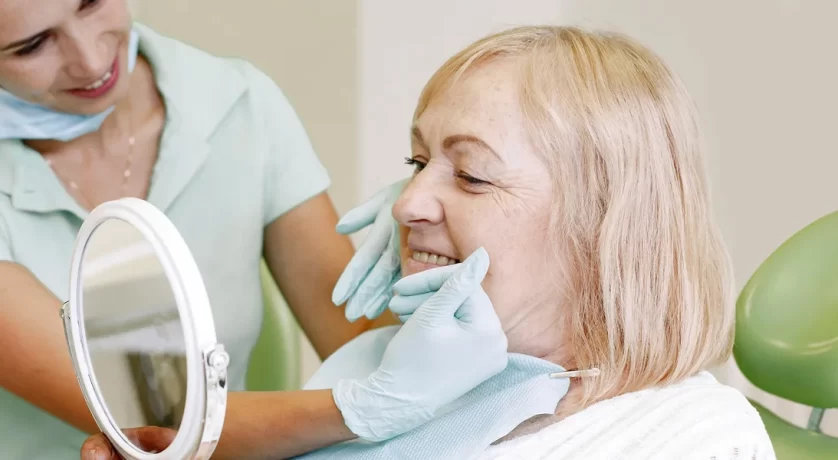
Why Dental Anxiety Happens at Different Ages
The reasons people experience dental anxiety often change as they move through different stages of life.
- Children – A child’s first dental experiences often involve unfamiliar people, new sounds, and equipment they’ve never seen before. Gentle guidance helps children understand what is happening, making routine examinations feel less overwhelming.
- Teenagers – As teenagers become more conscious of their smiles, they may worry about orthodontic treatment or how dental care fits into school, sports, and daily activities. Questions about treatment outcomes are also common during this stage.
- Adults – Many adults postpone appointments because they remember painful procedures from the past or worry about needing extensive dental work. Others feel uneasy because they have not visited a dentist for several years.
- Older Adults – Seniors often have additional concerns related to existing medical conditions, longer appointments, or maintaining oral health while managing age-related changes. A thoughtful treatment approach can help reduce unnecessary stress.
How Family Dentistry Creates a More Comfortable Experience
Helping patients feel comfortable begins before any treatment is provided. A welcoming environment, clear communication, and familiar routines can make dental visits feel less stressful.
Family dental practices commonly focus on:
- Creating a welcoming environment that feels relaxed.
- Listening carefully to each patient’s concerns.
- Explaining procedures in clear, easy-to-understand language.
- Tailoring treatment around individual comfort levels.
- Building lasting relationships through regular visits.
People searching online for a family dentist near me often value seeing the same dental team because familiar faces can make appointments feel more comfortable.
Helping Children Build Positive Dental Memories
Positive dental experiences during childhood often influence how children approach oral healthcare later in life.
Introducing children to the dental office before treatment is needed allows them to become comfortable with the environment at their own pace. Friendly conversations, age-appropriate explanations, and positive encouragement create a more relaxed experience for young patients.
Teaching brushing and flossing early encourages healthy habits that can last well into adulthood. Positive experiences during childhood may reduce child dental anxiety and encourage consistent dental visits in the future.
Supporting Teens Through Every Stage of Their Smile Journey
Teenagers often balance busy schedules, growing independence, and increasing awareness of their smile.
Whether discussing braces or aligner therapy, providing honest information allows teens to understand each step before treatment begins. Preventive care, healthy habits, and appropriate cosmetic solutions can also help improve confidence while supporting long-term oral health.
Open conversations give teenagers the confidence to take a more active role in caring for their oral health.
Helping Adults Feel Comfortable Returning to the Dentist
Many adults feel nervous when returning to the dentist after several years away. A supportive, judgment-free approach helps patients focus on moving forward rather than worrying about the past.
Clear explanations of examination findings and treatment options help patients make thoroughly informed decisions without feeling rushed. This open communication often helps reduce uncertainty and encourages greater confidence throughout treatment.
Through preventive family dentistry, regular examinations and professional cleanings may help identify concerns before they become more complicated. Care plans can also be adjusted to match each person’s preferences, health history, and comfort level.
Compassionate Dental Care for Seniors
Good oral health continues to play an important role throughout every stage of life.
Routine dental visits help monitor age-related changes affecting the teeth, gums, and existing dental restorations. Appointment planning can also consider mobility needs, medications, and other health conditions that may influence treatment decisions.
Individualized care helps ensure recommendations support both oral health and overall well-being.
Why Seeing the Same Family Dentist Makes a Difference
Trust develops over time, and consistency plays an important role in helping patients overcome fear of the dentist.
When families continue seeing the same dental professionals, appointments become more familiar and predictable. The dental team also gains a better understanding of each patient’s health history, communication preferences, and comfort needs.
Long-term relationships allow care to become more personalized and can help future appointments feel less stressful.
Benefits of Family Dentistry Beyond Anxiety Relief
Family dentistry provides benefits that extend beyond helping patients feel more comfortable during appointments.
These benefits include:
- One dental home for children and adults.
- Comprehensive preventive and restorative services.
- Earlier identification of developing oral health concerns.
- Ongoing guidance that supports healthy smiles throughout life.
Practices providing family dental care in Broomfield make it easier for families to coordinate appointments while maintaining continuity of care. Individualized care, patient education, and modern technology work together to support comfortable, informed dental visits.
Final Thoughts
Dental anxiety is common, but it should not prevent anyone from maintaining lifelong oral health. Family dentistry helps build lasting relationships through personalized care, honest conversations, and consistent support for every stage of life. Regular preventive visits help protect your oral health while making future dental appointments feel more familiar and comfortable.
Medical Reference: American Dental Association. Oral Health Topics. https://www.ada.org
Frequently Asked Questions
Family dentistry focuses on familiar relationships, personalized care, and open communication, helping many patients feel more relaxed during routine visits.
Parents can speak positively about dental care, avoid using scary language, and schedule routine visits that help children become comfortable with the dental office
Yes. Many adults experience dental anxiety because of previous experiences, uncertainty about treatment, or concerns about discomfort. Discussing these concerns with the dental team often helps improve the experience.
Many families benefit from dental examinations and professional cleanings every six months, although recommendations may vary according to individual oral health needs.
Yes. Family dentists offer preventive and restorative care for children, teenagers, adults, and seniors while adapting treatment recommendations to each stage of life.